
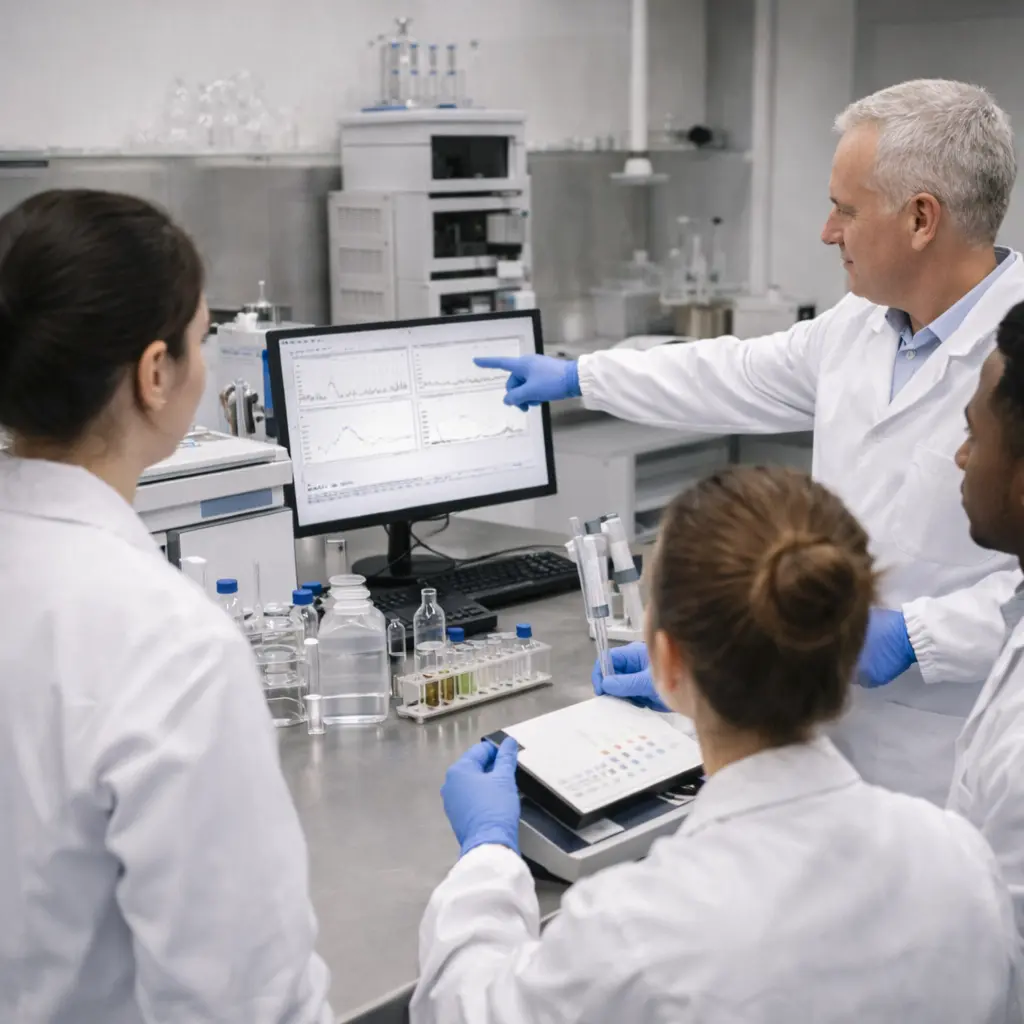
BioTrace advances industry capability through structured collaborative research initiatives and applied laboratory training programs. These engagements connect academia, manufacturers, researchers, and quality professionals with practical exposure to real analytical environments, modern instrumentation, and regulatory-oriented workflows.
From hands-on HPTLC training to GLP method development, our programs deliver practical laboratory competence across every critical analytical discipline.
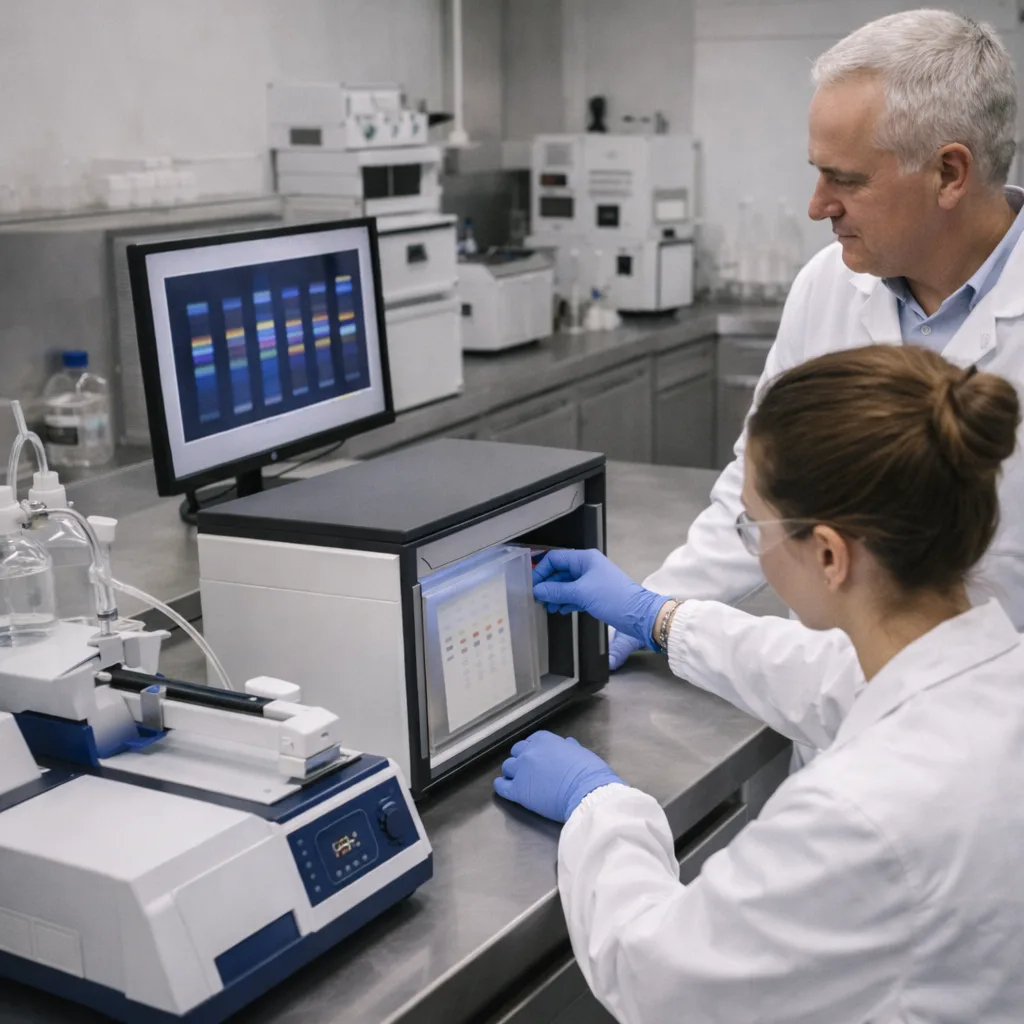
Hands-on programs in High-Performance Thin Layer Chromatography provide direct exposure to HPTLC instrumentation, including sample preparation, plate development, derivatization, and interpretation of analytical outputs using real matrices.
HPTLC remains fundamental for botanical identification, fingerprinting, and quantitative assessment across herbal, pharmaceutical, nutraceutical, and cosmetic applications.
Participants gain operational familiarity with validated workflows and laboratory expectations relevant to industrial quality control.
Structured exposure builds confidence in method execution and strengthens interpretation of chromatographic outputs.
Improved technical capability enhances method reliability, troubleshooting confidence, and standardization performance.
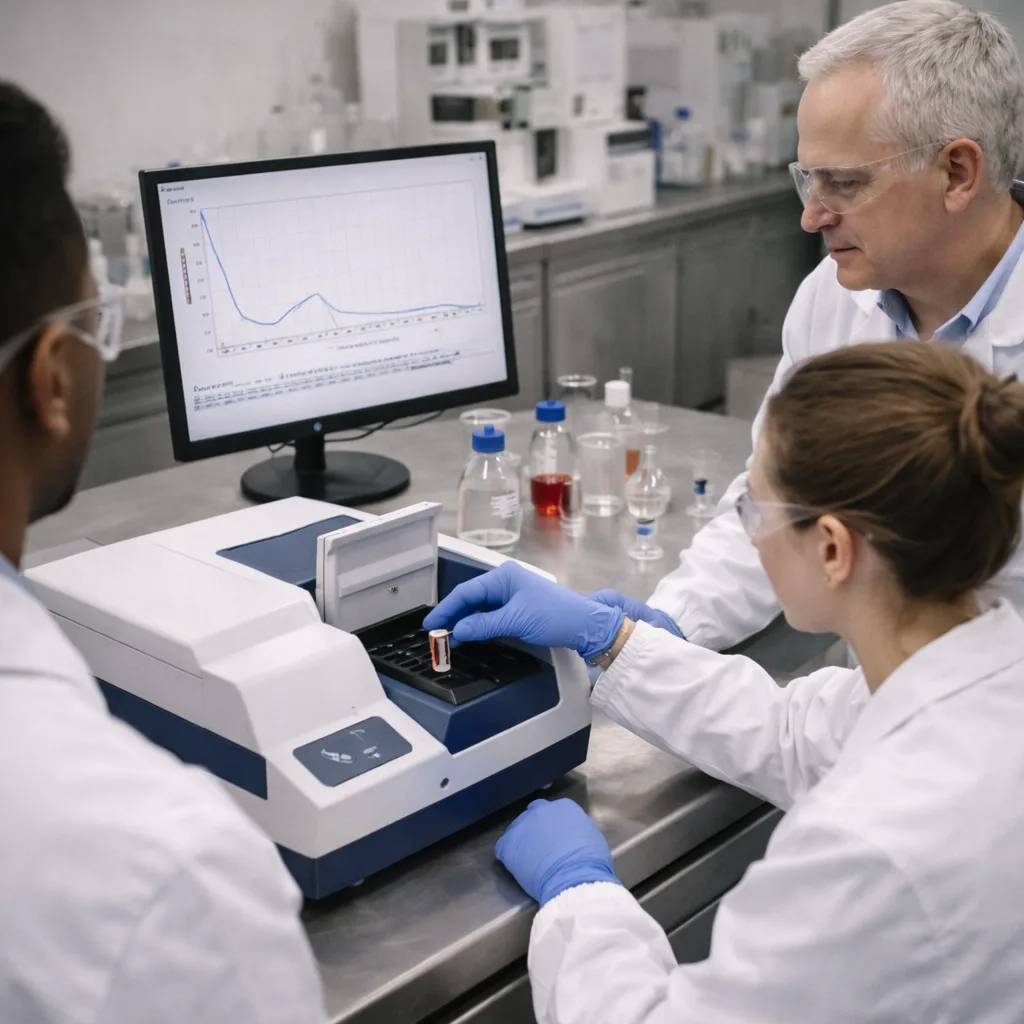
These workshops focus on practical applications of UV–Vis spectrophotometer systems and ultraviolet visible spectroscopy for both qualitative and quantitative analysis. Participants engage with calibration strategies, absorbance measurement, and routine assay techniques used widely in regulated sectors.
UV–Vis methods are essential tools for concentration determination, dissolution profiling, and cross-validation in modern laboratories.
Structured exposure improves understanding of Beer–Lambert principles and strengthens interpretation of instrumental data.
Participants gain validated, reproducible measurement skills applicable across pharmaceutical and nutraceutical quality control.
Enhanced analytical clarity supports faster method deployment and consistent quality evaluation across batches.
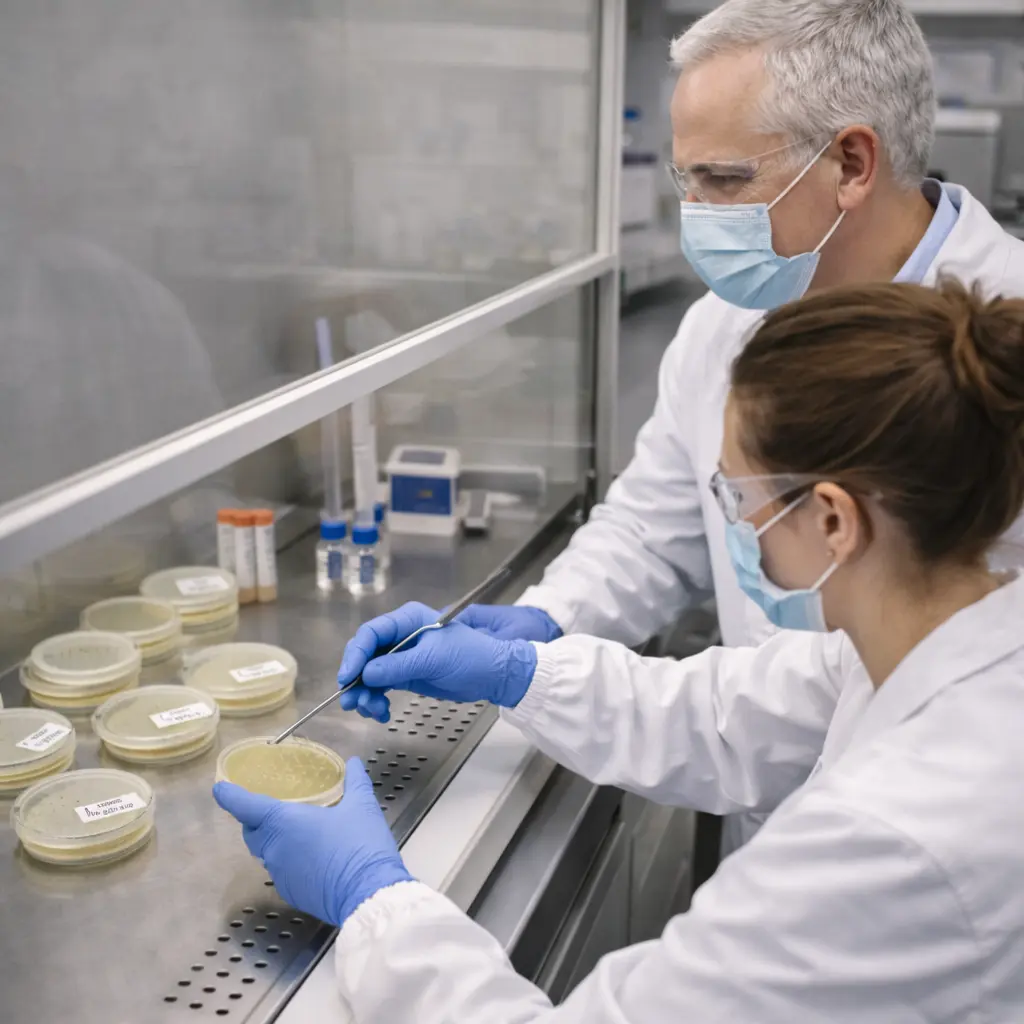
These sessions introduce core laboratory practices including microbial enumeration, aseptic handling, sterility concepts, and culture-based identification techniques. Participants develop competence in contamination prevention and safety-critical microbiological workflows.
Competent microbiological execution is central to product safety, contamination prevention, and compliance management in regulated environments.
Training aligns personnel with standardized laboratory behaviors and documentation expectations required during audits.
Participants leave with practical skills in aseptic technique, enumeration, and culture-based identification methods.
Stronger microbiology fundamentals improve contamination control and readiness for regulatory inspection.
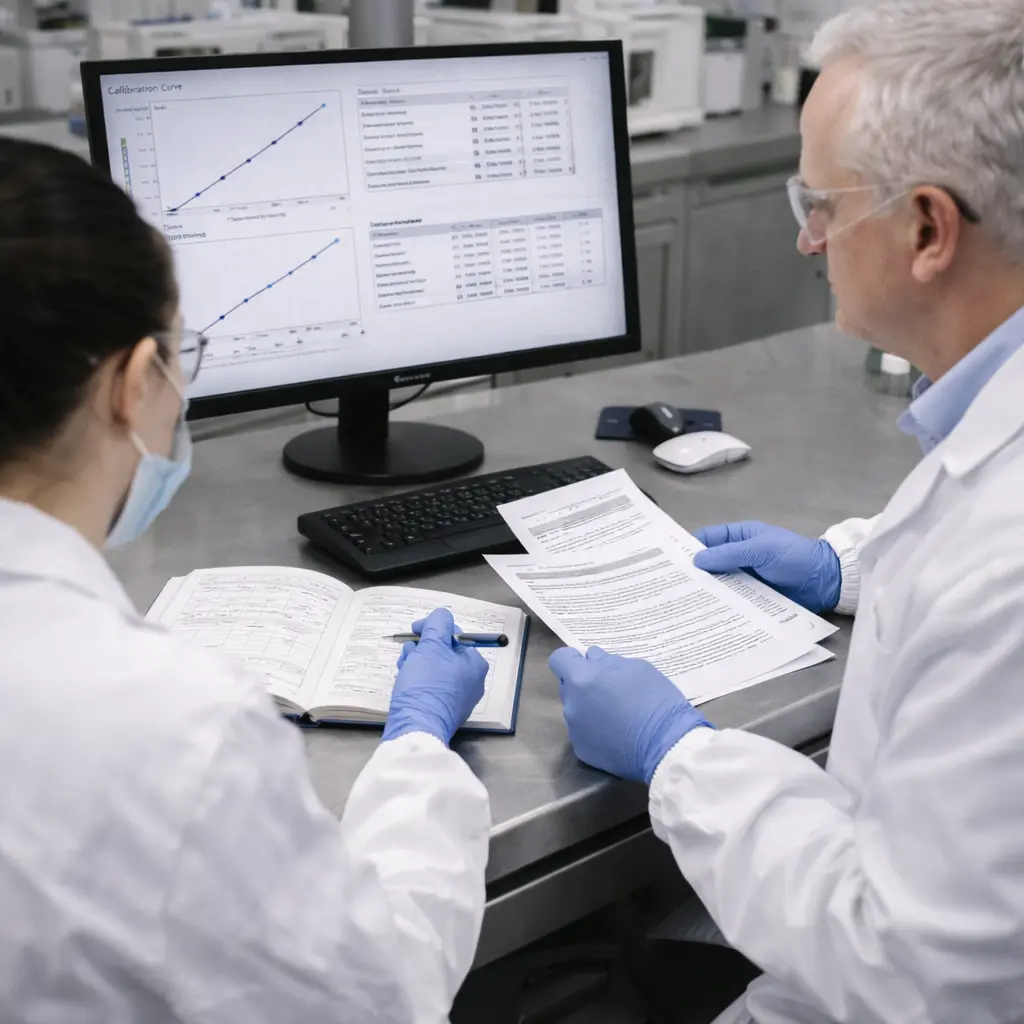
This module delivers structured exposure to GLP training, good laboratory practices guidelines, and scientific frameworks required for analytical method design, optimization, and validation. Participants learn documentation discipline and audit-sensitive processes expected in regulated environments.
Adherence to Good Laboratory Practices ensures integrity, traceability, and reproducibility of analytical outcomes across all regulated sectors.
Participants become familiar with documentation discipline and audit-sensitive processes expected in regulated environments.
GLP-trained personnel strengthen laboratory credibility and reduce risk during regulatory inspections and buyer audits.
Robust method development strengthens defensibility of results and long-term laboratory credibility across all programs.
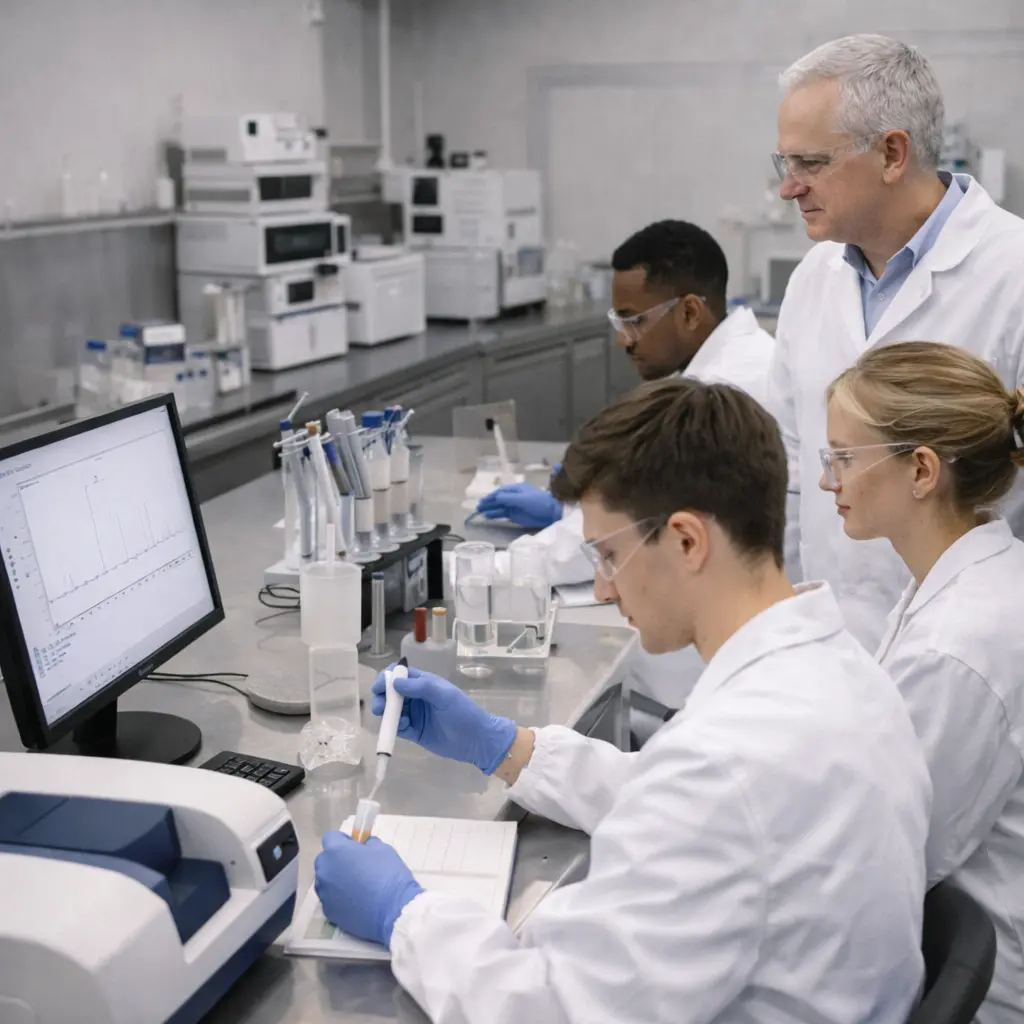
Internships combine theoretical grounding with supervised laboratory assignments, research exposure, and performance evaluation within professional settings. Structured mentorship ensures participants understand operational expectations, safety norms, and reporting accuracy.
Bridging academic learning with industry execution is essential for building capable laboratory professionals prepared for modern analytical environments.
Structured mentorship ensures participants understand operational expectations, safety norms, and reporting accuracy throughout the program.
The program creates a pipeline of skilled analysts prepared for employment in modern analytical and research environments.
Find answers to common questions about our collaborative research and training programs
Engage in structured analytical research and practical laboratory training programs designed to bridge academia and industry.