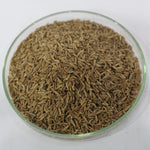
Jeera Botanical Reference Material

$55.00
BioTrace Labs' Jeera Botanical Reference Material is a certified Cuminum cyminum botanical reference material, developed for HPTLC fingerprinting, phytochemical authentication, and herbal quality-control testing. Each Cuminum cyminum seed reference material batch is botanically verified and profiled to confirm its cuminaldehyde composition, giving analytical laboratories, spice and herbal manufacturers, and researchers a dependable jeera HPTLC reference material for identity confirmation and comparative phytochemical analysis. As a trusted jeera reference material supplier, BioTrace Labs supplies laboratories and manufacturers across the USA, giving them confidence in the authenticity and traceability of every batch they buy.

SKU: BL86265

Category: Botanical Reference Material (BRM)

Size: 5g
Quantity:
- +
Guaranteed safe checkout:
American Express
Diners Club
Maestro
Mastercard
RuPay
Visa

Parameter 

Details 

Botanical Name 

Cuminum cyminum 

Other Names 

Jeera, Cumin 

Plant Part Used 

Seed (dried fruit) 

Family 

Apiaceae 

Chemical Constituents 

Cuminaldehyde, cuminol, p-cymene, gamma-terpinene 

Use 

HPTLC, herbal standardization, phytochemical fingerprinting, botanical authentication 

Product Form 

Whole Dry / Powdered (at 5% extra cost) 

Type 

Botanical Reference Material (BRM) / Testing purpose 

Reference Type 

Voucher-grade botanical reference material 


Why Use Jeera Botanical Reference Material? 

Jeera (Cuminum cyminum) is widely used in food, spice, and herbal-product testing. A characterized botanical reference material provides laboratories with a defined plant material for comparison during identity testing, chromatographic fingerprinting, and raw-material quality assessment. 

BioTrace Labs' Jeera Botanical Reference Material is intended for analytical and research applications including HPTLC profiling, botanical authentication, phytochemical comparison, and herbal raw-material standardization. 

HPTLC Analysis Profile 

  • HPTLC compliant, using an optimized jeera HPTLC fingerprint method
  • Detection under UV 254 nm / 366 nm, plus derivatization
  • Produces a reproducible cuminaldehyde fingerprint for identity confirmation 

Applications 

  • Spice and herbal raw-material standardization, and jeera botanical authentication
  • Quality control laboratories running comparative phytochemical analysis
  • Academic and industrial research using Cuminum cyminum BRM
  • Detecting adulteration or substitution with Bunium persicum (black caraway, sometimes sold as “black jeera”), grass or other seeds used as bulking agents, or non-seed plant/nut debris, cumin has a well-documented history of powder-level adulteration in the global spice trade 

Documentation Provided 

Certificate of Analysis (CoA) provided on request, downloadable via the “Download CoA” button or by using “Ask a Question.” 

Packaging & Storage 

  • Packed in airtight, light-resistant containers
  • Store in a cool, dry place, protected from light and humidity to preserve cuminaldehyde content 

Disclaimer 

For analytical and research purposes only. Not intended for direct consumption.

Frequently asked questions

What is Jeera Botanical Reference Material?

Jeera Botanical Reference Material is a certified Cuminum cyminum botanical reference material used to confirm identity and authenticity through HPTLC fingerprinting and phytochemical comparison.

Is Jeera the same as Kadwa Jeera?

No. Jeera (Cuminum cyminum, family Apiaceae) is ordinary cumin, while Kadwa Jeera (Centratherum anthelminticum, family Asteraceae) is a completely different, bitter Ayurvedic seed. They share part of a common name but are botanically unrelated — if you need the bitter variety, look for our separate Kadwa Jeera Botanical Reference Material.

What is a jeera HPTLC fingerprint used for?

A jeera HPTLC fingerprint is a chromatographic profile of cuminaldehyde and related essential-oil compounds used to confirm that a raw material is genuine Cuminum cyminum and free from substitution.

How does this BRM support botanical authentication of jeera?

It provides a verified comparison standard against which an unknown jeera sample's HPTLC or phytochemical profile can be matched, confirming species identity and detecting mislabeling.

What are the key phytochemical markers in this Cuminum cyminum reference material?

The primary marker is cuminaldehyde, along with related compounds such as p-cymene and gamma-terpinene, which together form jeera's characteristic fingerprint.

Can this BRM detect adulteration in cumin raw material?

Yes. Comparing a test sample's HPTLC profile against this Cuminum cyminum reference material can help detect substitution with Bunium persicum (black caraway) or dilution with other seeds or plant debris, cumin has a well-documented history of adulteration in the spice trade, including cases involving non-cumin bulking material.

Is this BRM available in bulk from a supplier?

Yes, BioTrace Labs is a jeera reference material supplier offering both standard 5g/10g packs and bulk quantities, contact us via “Ask a Question” for bulk or custom orders.

Does this BRM come with a Certificate of Analysis (CoA)?

Yes, a Certificate of Analysis confirming the HPTLC fingerprint and identity of each batch is available on request via the Download CoA option.

Do you ship Jeera Botanical Reference Material within the USA?

Yes. BioTrace Labs is a US-based supplier of Jeera Botanical Reference Material, so US laboratories and manufacturers can order without the customs delays or import paperwork that come with overseas suppliers.

icon_policy
Free Delivery
Free Shipping for orders over $130.
icon_policy
Expert Customer Support
Here to help when you need us.
icon_policy
Secure Packaging
Carefully packed to ensure safe delivery.
icon_policy
Quality Assured
Products are carefully checked before dispatch.

RECENTLY VIEWED PRODUCTS