

Testing Services
Analytical Testing for Supplement Quality & Ingredient Confidence
BioTrace Labs is developing a comprehensive analytical testing portfolio for dietary supplements, nutraceuticals, botanical ingredients, and raw materials. Our planned services are designed to support ingredient verification, contaminant assessment, potency evaluation, and microbiological quality testing.
Each test will be offered according to the laboratory's validated methods, capabilities, and applicable scope.
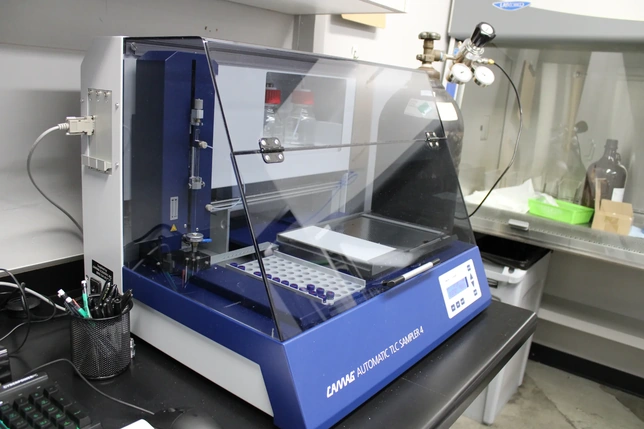
Botanical Identity Testing
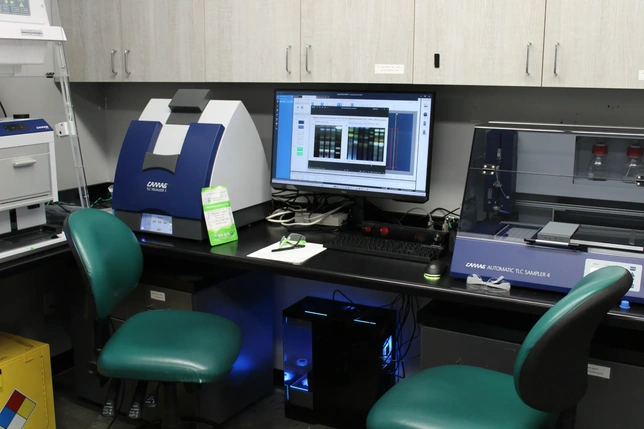
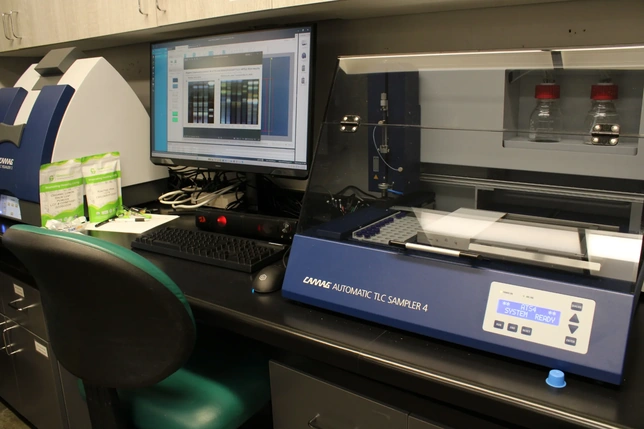
Techniques: HPTLC and HPLC.
Support the identification and comparison of botanical raw materials using appropriate chromatographic methods, relevant reference standards, and our library of more than 300 botanicals.
Applications: Herbal extracts, plant powders, and botanical ingredients.
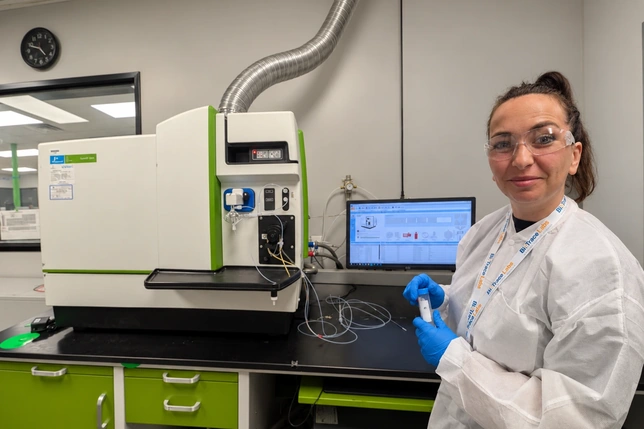
Potency & Active Ingredient Assay
Technique: HPLC.
Quantify selected active ingredients and marker compounds using suitable analytical methods to support product specifications and formulation quality assessments.
Applications: Standardized extracts, active ingredients, and selected finished products.
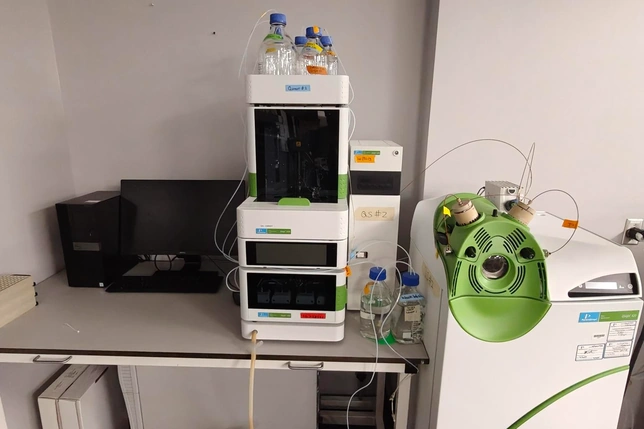
Heavy Metals Analysis
Technique: ICP-MS.
Evaluate selected toxic elements, including lead, cadmium, arsenic, and mercury, using appropriate methods and reporting limits.
Applications: Dietary supplements, mineral ingredients, botanicals, and raw materials.
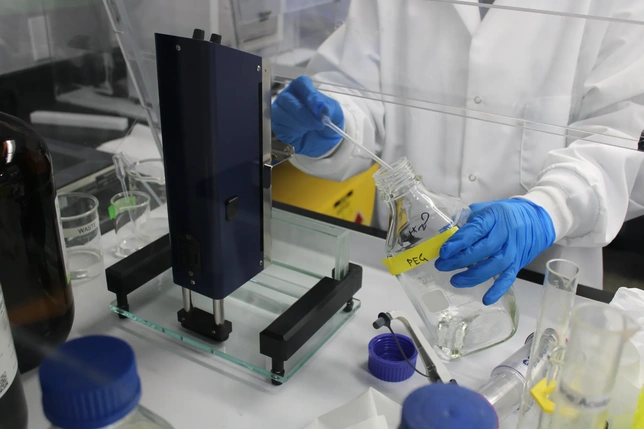
Pesticide Residue Testing
Techniques: LC-MS/MS and GC-MS/MS.
Screen selected pesticide residues through multi-residue analytical panels designed around the relevant sample matrix and target compounds.
Applications: Botanical ingredients, herbal extracts, and selected agricultural-origin materials.
Mycotoxin Testing
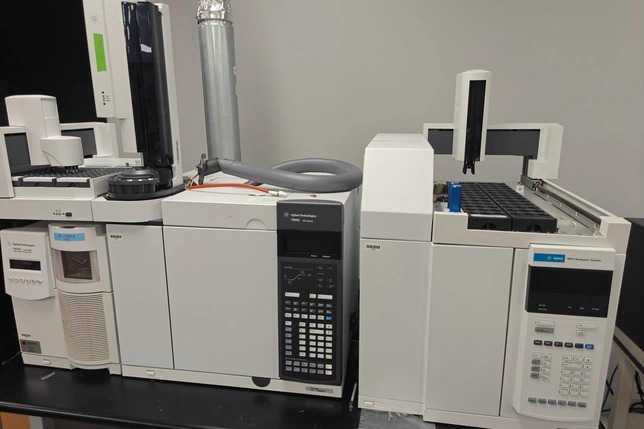
Technique: LC-MS/MS.
Evaluate selected mycotoxins, including aflatoxins and ochratoxin A, using suitable methods for the material being tested.
Applications: Botanicals, plant-derived ingredients, and other suitable raw materials.
Residual Solvent Analysis
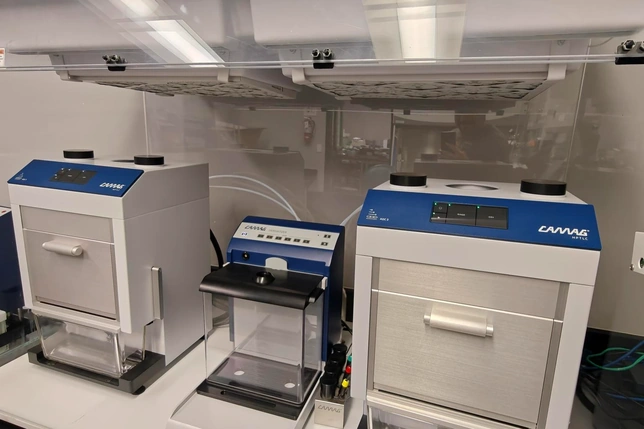
Technique: Headspace GC-MS.
Assess selected residual solvents in suitable samples to help support ingredient and product quality specifications.
Applications: Botanical extracts and ingredients manufactured using solvents.
Microbiological Testing
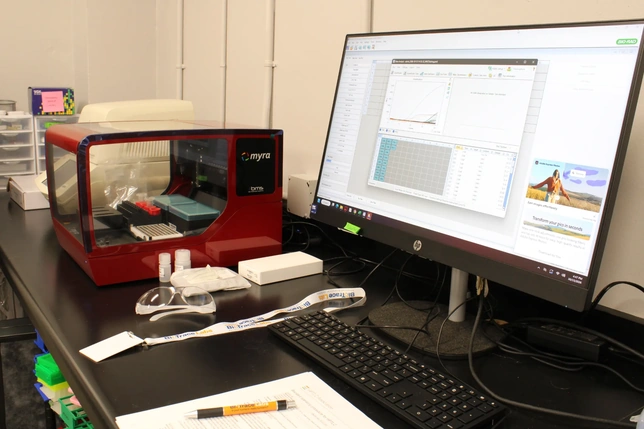
Planned capabilities: qPCR-based pathogen detection, yeast and mold enumeration, and total plate counts.
Testing targets may include Salmonella, E. coli/STEC, and selected Aspergillus species, subject to validated methods and the available service scope.
Applications: Raw materials, botanical ingredients, and selected finished products.
Physical & Chemical Testing
Planned parameters: Moisture content, water activity, pH, and other suitable physical or chemical characteristics.
Testing can help characterize raw materials and products according to relevant specifications.
Applications: Powders, extracts, ingredients, and selected formulations.
Allergen Testing
Technique: ELISA.
Assess selected allergen targets using appropriate assays and sample-specific methods.
Applications: Suitable food, supplement, and ingredient matrices.
Testing Designed Around Your Materials
Every sample presents its own analytical considerations. The appropriate method depends on the ingredient, product matrix, target analyte, required reporting limit, and intended use of the result. Our team aims to help clients identify suitable testing options and understand the requirements before samples are submitted.
